· By Salman Habib Chaudhry · AI SEO · 6 min read
Perplexity SEO: How to Get Cited in Perplexity Answers
The 5 levers that earn consistent Perplexity citations in 2026 — domain authority, recency, direct-answer prose, FAQ schema, and editorial links.
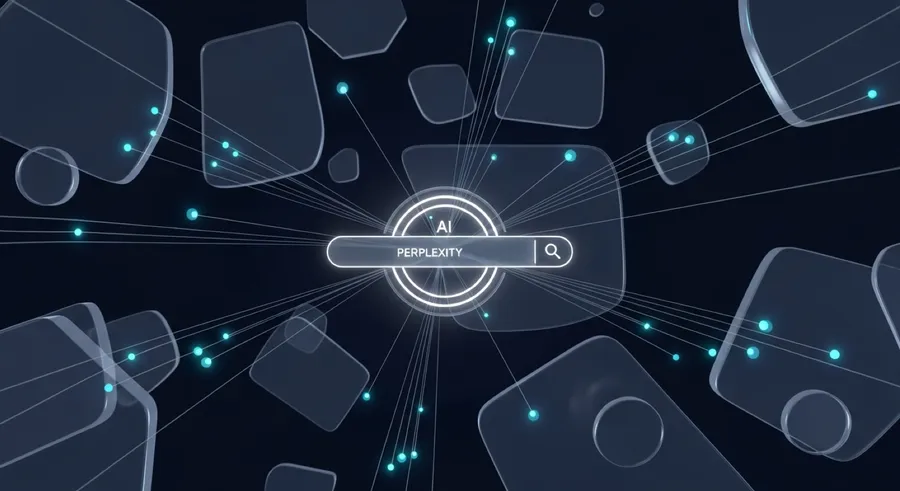
Perplexity AI has a feature that makes it uniquely valuable for brands: it shows its sources. When Perplexity generates an answer, numbered citations appear beside each sentence, and users can click through to the source. Perplexity’s own documentation describes its model as “an answer engine” that grounds every response in cited web sources. Getting cited in Perplexity is visible, clickable, and brand-building in a way that a buried Google mention isn’t.
Here’s how Perplexity works and what it takes to earn consistent citation.
Key Takeaways
- Perplexity shows numbered, clickable citations beside each sentence, making a citation visible and brand-building in a way a buried Google mention isn’t.
- Unlike pure LLMs, Perplexity always starts with live web search, so being indexable and retrievable matters as much as authority.
- You earn consistent citations by being the clearest, best-structured source on a topic — answer-first content, clean headings, and schema all help.
- Authoritative third-party mentions and a strong entity footprint increase how often Perplexity selects you as a source.
- Citation is the new visibility metric: track how often you’re cited, not just where you rank.
How Perplexity generates answers
Perplexity’s process differs from pure LLMs like ChatGPT in a key way: it always starts with web search. For each query:
- Perplexity runs a web search (using its own crawler + major search indexes)
- It selects 5–10 sources based on relevance, authority, and recency
- It synthesizes those sources into a generated answer
- It shows numbered citations inline — users can see which source each claim came from
This means Perplexity is fundamentally a search + synthesis system. Your content needs to be:
- Crawlable and indexed (basic SEO hygiene)
- High enough authority to be selected over competitors
- Structured in a way that Perplexity can pull direct answers from
What Perplexity prioritizes in source selection
Based on testing across query types and verticals, Perplexity consistently favors:
High-authority domains. Sites with strong domain rating, good backlink profiles, and established editorial standards are selected more often. This is the same signal Google weighs — which is why strong SEO and strong Perplexity citation correlate.
Recency for current-events queries. For anything time-sensitive (“best AI tools in 2026”, “latest Google algorithm update”), Perplexity heavily weights recency. A post from 6 months ago beats an evergreen guide if the query has a year marker.
Direct, specific answers. Perplexity is synthesizing content into a summary. Sources that contain the direct answer in a clear, parseable form get pulled more than sources that discuss the topic extensively without directly answering the question.
Structural clarity. Content with clear H2 headings, numbered lists, and direct declarative sentences is easier to parse and synthesize. Dense paragraphs of body text are harder to cite selectively.
Five optimization levers for Perplexity citation
1. Publish direct-answer content
Every service page, blog post, and resource on your site should answer specific questions directly. Not “let’s explore the nuances of…” — but “here is the answer to your question in the first sentence.”
For Perplexity specifically: the content it cites most often starts with a sentence that could stand alone as a complete answer. Think of it as writing for an AI that needs to quote exactly one sentence to answer a user’s question — what sentence do you want it to use?
Example of citable opening: “Perplexity AI selects sources for citation based on domain authority, content recency, and how directly the source answers the query being asked.”
Example of non-citable opening: “In today’s fast-evolving AI landscape, understanding how platforms like Perplexity work has become increasingly important for marketers who want to stay ahead of the curve.”
2. Keep content current
Perplexity’s recency weighting is strong. For any topic that has a year in the query (“best AI SEO tools 2026”), stale content gets pushed aside. Options:
- Publish new content with current year targeting
- Update existing high-performing posts with current dates and refreshed data
- Add an “Updated [Month Year]” marker in your publishDate frontmatter
3. Use FAQ sections religiously
Perplexity frequently cites FAQ content because it’s pre-structured as Q&A — which is exactly the format AI synthesis needs. Every major page on your site should have a FAQ section. Every FAQ answer should be:
- Concise (2–4 sentences max for the citable version)
- Direct (start with the answer, not background)
- Specific (avoid hedging that dilutes the cite-ability)
Add FAQPage schema to your FAQ sections — see the Schema.org FAQPage spec for required properties. This doesn’t guarantee citation but makes the Q&A pairs machine-readable. We cover the full set of schema types AI engines lift in Schema Markup That AI Search Engines Actually Cite.
4. Build domain authority through editorial links
Perplexity’s source selection correlates strongly with domain authority. The fastest path to consistent Perplexity citations is a stronger backlink profile — specifically editorial links from established publications.
High-value for Perplexity source authority:
- Industry media coverage (even short mentions)
- Guest posts in recognized sector publications
- Being cited by other high-authority blogs in your space
- Data studies or original research that other publications reference
5. Publish comparative and research content
Perplexity is heavily used for comparison and research queries — “X vs Y”, “best [category] tools”, “how to choose [service]”. This type of content is frequently cited because it directly addresses the research-stage queries buyers are asking.
Content types with high Perplexity citation probability:
- Comparison articles: “Agency SEO vs In-House SEO: Which is Right for Your Business?”
- Buyer’s guides: “How to Choose an SEO Agency in 2026”
- Benchmark or data reports: “Ontario SMB Digital Marketing Spend Report 2026”
- “Best of” roundups where you are one of the sources or the curator
How to check your current Perplexity presence
- Go to Perplexity.ai
- Ask queries your ideal buyers would ask: “best [your service] in [your city]”, “how to [solve the problem you solve]”
- Note: are you cited? Are competitors cited? What sites are consistently appearing?
- Run this test weekly — Perplexity’s source selection updates in real-time as its search results change
This gives you a live benchmark and tells you exactly which queries you’re winning and losing in AI search.
The Perplexity opportunity right now
Most businesses have no deliberate Perplexity optimization strategy. The field is wide open. A business that:
- Publishes well-structured, direct-answer content
- Maintains a strong backlink profile
- Updates content regularly
- Uses FAQ schema consistently
…will earn a disproportionate share of Perplexity citations in their category before competitors figure out this matters.
That window closes as awareness grows. The investment now is small compared to the compounding visibility it builds.
Digital Estate Media’s AI SEO service and generative engine optimization (GEO) service track and optimize client citation presence across Perplexity, ChatGPT, and Google AI Overviews. Get a free AI visibility audit.
Related reading:
- How to Rank in ChatGPT: A 2026 Guide
- LLMO Explained: Large Language Model Optimization
- How to Optimize Your Site for AI Search
- llms.txt for Local Business: Template & Example
- Get Your Business Mentioned by ChatGPT and Perplexity
Sources
- Perplexity — How does Perplexity work? — Accessed 2026-05-22
- Schema.org — FAQPage type — Accessed 2026-05-22
- Perplexity — Getting Started Hub — Accessed 2026-05-22